Traded for Being Fat, Claimed by the Supreme Alpha
Chapter 122: Noah's Ethics Board
850 words·4 min read
Protected Reading Content
Noah asked me to join an independent ethics board for wolf-shift research. I refused immediately. He looked offended. "Why?" "Because you're my son." "That's why I want you." "Exactly why I shouldn't." Conflict of interest had become a family phrase.
His research institute was expanding into inherited shift disorders. The work was important. It was also close enough to Moon Crown territory that public trust mattered. I suggested Rhea. Noah laughed. "She'll demand archival copies of every napkin." Correct. Eventually the institute appointed a mixed board: researchers, patient advocates, legal experts, ordinary Pack members, and one historian. Rhea got her wish.
I attended the first meeting as an observer. Noah presented a proposal involving voluntary genetic sequencing. The board challenged him hard. Data retention. Withdrawal rights. Future uses. Family implications. Commercial access. I watched my son answer without becoming defensive.
At one point Rhea asked whether samples could ever be used to predict leadership potential. "No." "What prevents a future director from changing that?" Noah pointed to the governance structure. "Not my promise. The rules." I felt proud. We had learned not to build safety around good intentions alone.
Afterward Noah asked whether I thought the board had been too aggressive. "No." He groaned. "I knew you'd say that." "If your work can't survive questions, it shouldn't survive." "You're enjoying this." "A little."
The institute later published its consent framework openly so other research centers could adapt it. No secret methods. No proprietary ownership over ethical safeguards. Noah said Moon Crown had taught the field what not to do. I corrected him. "People harmed by Moon Crown taught you." He nodded. Important difference.
Years earlier, Felix had believed knowledge justified access to bodies. Noah believed knowledge created obligations toward the people whose bodies made research possible. Same field. Different ethics. That difference was not accidental. It had to be designed.
When the first treatment from Noah's program reduced painful shift complications in young wolves, he called me. "We did it." I heard the team cheering behind him. I smiled. "Good." No prophecy. No bloodline destiny. Just careful science helping someone hurt less. That was powerful enough.
Time had changed the scale of the things that once frightened me. I no longer expected one conversation, one victory, or one apology to settle a life forever. What mattered was the pattern that followed: whether we respected choices after they became inconvenient, whether we told the truth when a lie would be easier, and whether love remained generous when nobody was watching.
I had learned that family history could guide us without becoming an instruction manual. Lyra and Noah were allowed to disagree with us. Rowan was allowed to become someone beyond the office he once held. I was allowed to remember the girl I had been without trying to recreate or erase her. Freedom sounded dramatic in speeches, but most days it looked like this: people being permitted to change.
That evening I wrote a few lines in my journal. I did not label the day a turning point. I had become suspicious of turning points; real change usually arrived through repetition. A boundary held twice. An apology followed by different behavior. A child making a choice and discovering that home still welcomed them afterward. Those were the quiet proofs I trusted now.
My wolf stirred inside me with the calm familiarity of an old companion. Once I had treated every instinct as either prophecy or danger. Age had taught me to listen without surrendering judgment. Instinct could speak. History could warn. Love could pull. None of them removed the responsibility to choose.
There was comfort in knowing that our story no longer needed a villain standing at the edge of every chapter. Knox had his life. Elodie had hers. Rowan and I had ours. The past remained true without needing to remain active. That distinction had taken me years to understand, and I protected it carefully.
Time had changed the scale of the things that once frightened me. I no longer expected one conversation, one victory, or one apology to settle a life forever. What mattered was the pattern that followed: whether we respected choices after they became inconvenient, whether we told the truth when a lie would be easier, and whether love remained generous when nobody was watching.
I had learned that family history could guide us without becoming an instruction manual. Lyra and Noah were allowed to disagree with us. Rowan was allowed to become someone beyond the office he once held. I was allowed to remember the girl I had been without trying to recreate or erase her. Freedom sounded dramatic in speeches, but most days it looked like this: people being permitted to change.
That evening I wrote a few lines in my journal. I did not label the day a turning point. I had become suspicious of turning points; real change usually arrived through repetition. A boundary held twice. An apology followed by different behavior. A child making a choice and discovering that home still welcomed them afterward. Those were the quiet proofs I trusted now.
You May Also Like
More stories readers often continue with after this chapter.

My Husband Punished Me for a Child That Was Never His Rival's
Billionaire · Contemporary · Drama
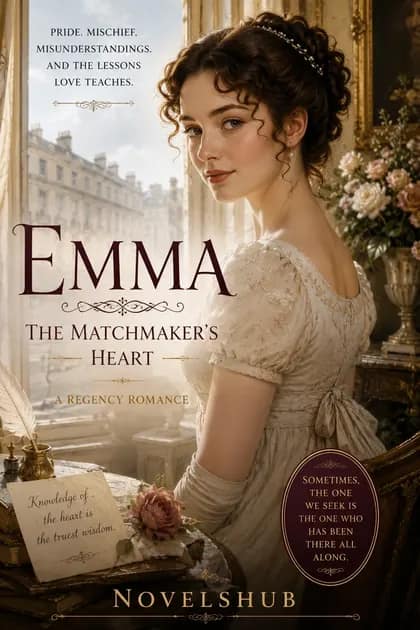
Emma: The Matchmaker’s Heart
Classics · Comedy · Drama

Wake Up in a Novel
Billionaire · Romance

The City Between Us
Contemporary · Drama · Romance
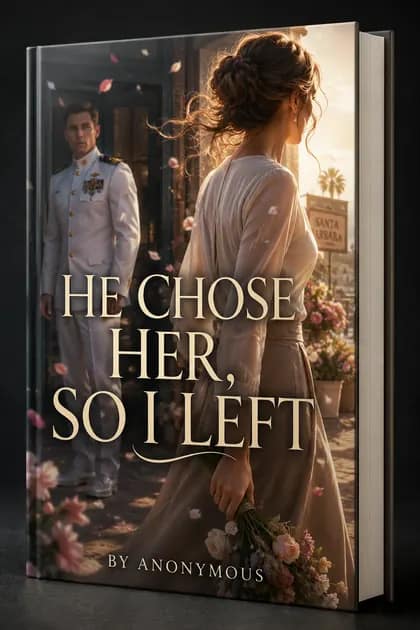
He Chose Her, So I Left
Betrayal · Contemporary · Drama
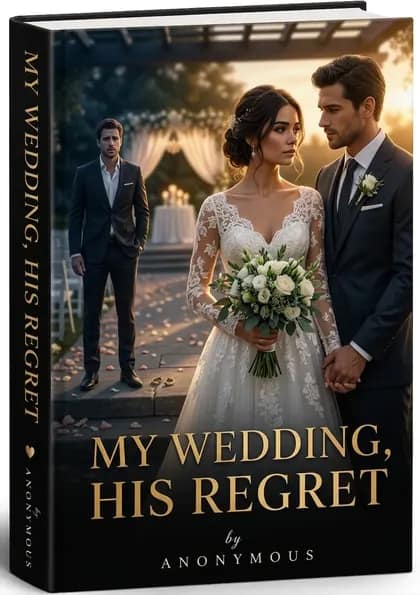
My Wedding, His Regret
Betrayal · Contemporary · Drama

The Disabled Heiress: The Godfather's Beloved
Billionaire · Contemporary · Drama

Her Second Chance Alpha Mate
Drama · Fantasy · Paranormal