Traded for Being Fat, Claimed by the Supreme Alpha
Chapter 136: The Last Time I Ran
822 words·4 min read
Protected Reading Content
At fifty-five, I ran five kilometers for the last time. I did not know it would be the last when I started. My knee had improved over the years, but longer runs increasingly punished me for days. Still, one cold morning, I wanted the old rhythm again.
Rowan came with me on a bicycle because his knees had even stronger opinions. "Slow down," he called. "I'm barely moving." "Exactly. I need entertainment." I considered pushing him into a hedge.
The first kilometer felt wonderful. The second felt nostalgic. By the fourth, my knee warned me. Not sharp pain. Enough. I slowed.
Years earlier I would have forced myself through. Pain had once been evidence of commitment. No more. I walked the final stretch. At the five-kilometer marker, I stopped.
No cheering. No medal. No transformation photograph. Just breath turning white in cold air. Rowan parked the bicycle beside me. "Done?" I looked down the trail. "Yeah." Something in my voice made him understand.
I cried. Not because running had been my whole identity. Because it had carried me through so many versions of myself. The desperate teenager running to become thin. The young Alpha training for strength. The mother reclaiming movement. The older woman learning limits.
Rowan did not tell me I could run again later. He did not rush to solve it. He stood beside me. Good husband.
The next week I swam. Then walked. Then tried a rowing machine and hated it. Life continued.
Months later, I realized I had not run again. The last run had passed without ceremony. Most endings did. That made them no less real.
I kept my old running shoes until the soles cracked. Then I threw them away. Not everything needed the archive. Rhea disagreed. I did it before she could intervene.
By then I understood that a life was not completed by one perfect ending. It kept asking us to choose again: how to love without owning, how to remember without living backward, and how to let the people we loved become different from what we had imagined. That was harder than destiny, but it was also more honest.
By then I understood that a life was not completed by one perfect ending. It kept asking us to choose again: how to love without owning, how to remember without living backward, and how to let the people we loved become different from what we had imagined. That was harder than destiny, but it was also more honest.
By then I understood that a life was not completed by one perfect ending. It kept asking us to choose again: how to love without owning, how to remember without living backward, and how to let the people we loved become different from what we had imagined. That was harder than destiny, but it was also more honest.
By then I understood that a life was not completed by one perfect ending. It kept asking us to choose again: how to love without owning, how to remember without living backward, and how to let the people we loved become different from what we had imagined. That was harder than destiny, but it was also more honest.
By then I understood that a life was not completed by one perfect ending. It kept asking us to choose again: how to love without owning, how to remember without living backward, and how to let the people we loved become different from what we had imagined. That was harder than destiny, but it was also more honest.
By then I understood that a life was not completed by one perfect ending. It kept asking us to choose again: how to love without owning, how to remember without living backward, and how to let the people we loved become different from what we had imagined. That was harder than destiny, but it was also more honest.
By then I understood that a life was not completed by one perfect ending. It kept asking us to choose again: how to love without owning, how to remember without living backward, and how to let the people we loved become different from what we had imagined. That was harder than destiny, but it was also more honest.
By then I understood that a life was not completed by one perfect ending. It kept asking us to choose again: how to love without owning, how to remember without living backward, and how to let the people we loved become different from what we had imagined. That was harder than destiny, but it was also more honest.
By then I understood that a life was not completed by one perfect ending. It kept asking us to choose again: how to love without owning, how to remember without living backward, and how to let the people we loved become different from what we had imagined. That was harder than destiny, but it was also more honest.
You May Also Like
More stories readers often continue with after this chapter.

My Husband Punished Me for a Child That Was Never His Rival's
Billionaire · Contemporary · Drama
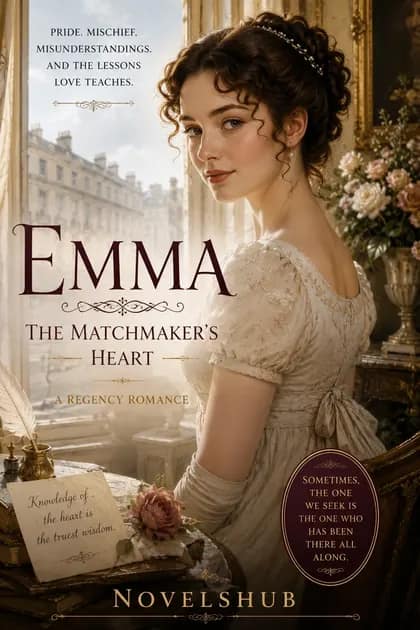
Emma: The Matchmaker’s Heart
Classics · Comedy · Drama

Wake Up in a Novel
Billionaire · Romance

The City Between Us
Contemporary · Drama · Romance
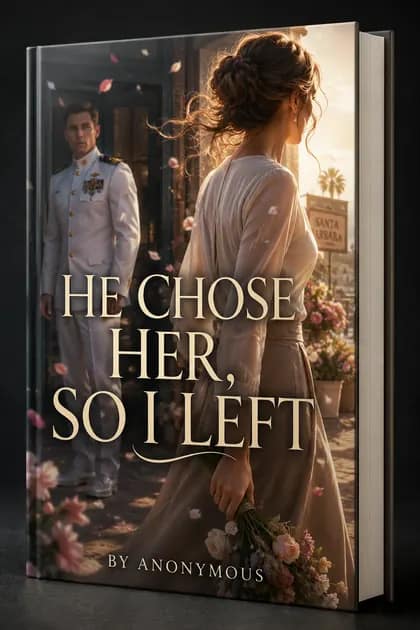
He Chose Her, So I Left
Betrayal · Contemporary · Drama
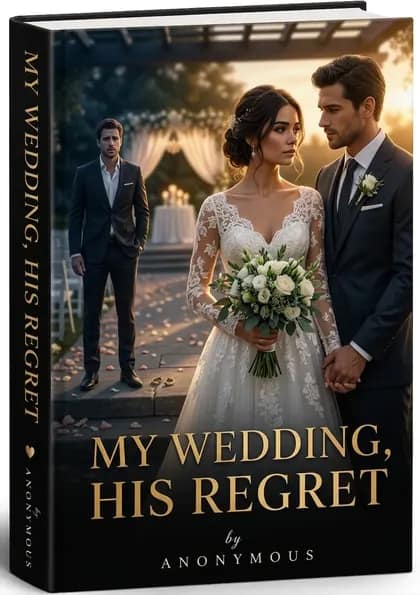
My Wedding, His Regret
Betrayal · Contemporary · Drama

The Disabled Heiress: The Godfather's Beloved
Billionaire · Contemporary · Drama

Her Second Chance Alpha Mate
Drama · Fantasy · Paranormal